Auto emergencies rarely feel expensive because of one single charge. They add up because you are paying for urgency, logistics, and the risk of additional damage if the problem is ignored. Even when the underlying fix is straightforward, the timing can force you to make quick decisions about where the vehicle goes and how fast you need it back.
Cost planning starts with separating what you can control from what you cannot. You cannot control when a hose splits or when a battery fails at the worst possible moment, but you can control how prepared you are to respond. Knowing the most common cost drivers makes it easier to keep a clear head when the situation is stressful.
The goal is not to memorize exact prices, because real-world bills vary by vehicle, location, and circumstance. The goal is to understand the main categories you will see on an invoice and the factors that push the total up or down. When you recognize those levers, you can ask better questions and avoid paying for surprises you did not need.
What You Are Really Paying For in an Emergency
Most emergency bills combine multiple layers that are easy to overlook in the moment. There is the direct repair, but there is also diagnosis, labor time, supplies, taxes, and sometimes storage or after-hours fees. If the vehicle has to be moved, transportation becomes its own cost category before the actual repair even begins.
It also helps to remember that emergency pricing often reflects constraints, not just the work itself. A shop may be fitting you into a schedule, ordering parts quickly, or assigning a technician to troubleshoot a problem that is not obvious at first glance. When you understand that the invoice is built from several moving parts, you can focus your questions on the biggest drivers.
Getting the Vehicle to Safety Without Overpaying
The first expense many drivers face is simply getting off the roadside. Towing companies typically charge based on distance, time, vehicle type, and whether the tow is a basic hookup or a more complex recovery. Nighttime calls, heavy traffic, or a vehicle that is difficult to access can all raise the total quickly.
If you are in a safe location, you may have a little time to reduce the risk of extra charges. Asking about the base rate, per-mile rate, and any administrative fees can clarify what you are agreeing to before the truck arrives. You can also confirm where the vehicle will be taken and whether there are fees if you later decide to move it again.
Where the car ends up matters because it shapes the rest of your costs. Some drivers send the vehicle directly to local auto repair services to avoid storage fees at a lot and reduce the chance of paying for multiple transfers. Others choose a dealership for specialized work, but that can change both labor rates and scheduling. The key is to think one step ahead so the initial response does not create a second preventable expense.
Another often-missed factor is the cost of waiting. If you authorize a tow without confirming the estimated arrival window, the delay can change your options for repairs and transportation. In some situations, renting a vehicle or using rideshare adds a second stream of costs that can eclipse the tow itself. A clear plan for the next 24 hours can keep the total from expanding in ways that do not help you solve the problem.
Flat Tire Costs That Go Beyond the Patch
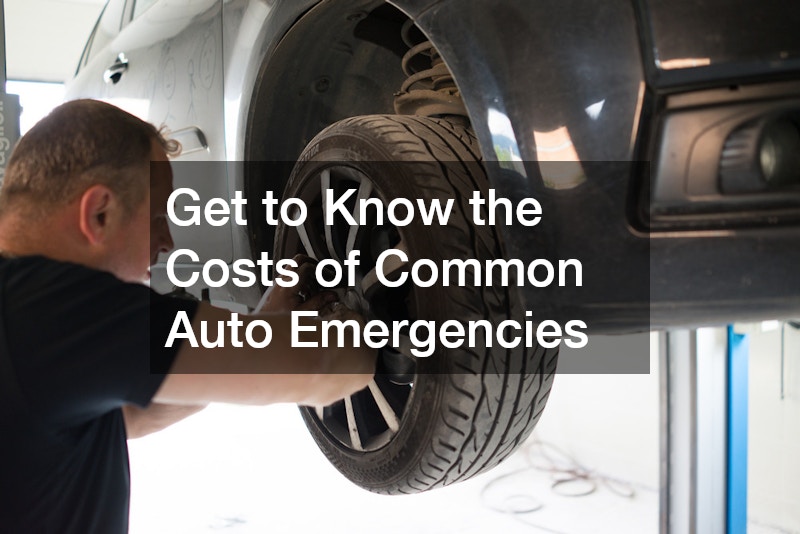
A flat tire can be inexpensive or surprisingly costly depending on what caused it and what happened afterward. A simple puncture repair is usually far less than replacing a tire, but sidewall damage, worn tread, or driving on a flat can eliminate the cheapest options. Add in the possibility of a damaged wheel, and the bill can change dramatically.
Location and timing also matter. If the flat happens on a busy highway or in a place where it is unsafe to change the tire, you may pay more for assistance. If you do not have a usable spare, the vehicle may need to be transported, which turns a small repair into a logistics problem. Even when the fix is simple, the emergency context can increase costs quickly.
If you are deciding where to go for help, it is useful to understand how pricing can vary for local auto repairs. Some shops quote a quick tire repair but may recommend replacement based on wear, safety, or manufacturer guidance. The best approach is to ask for a clear explanation of why a repair is or is not appropriate, along with the cost difference. That lets you make a decision based on safety and value, not pressure.
Dead Batteries and Sudden No-Start Problems
Battery failures are common because batteries degrade gradually and then fail abruptly. The costs can include a jump start, battery replacement, and, in some cases, diagnostic work if the vehicle continues to struggle after a new battery is installed. Corroded terminals, failing alternators, and poor electrical connections can complicate what looked like a simple issue.
It is also easy to underestimate the indirect costs of a no-start event. If the failure happens at work, at a remote location, or late at night, you may pay for transportation and lose time that is hard to replace. A battery issue can also strand you in extreme temperatures, which can create safety concerns and a stronger need for rapid assistance.
If you want to reduce the chances of paying for repeated service calls, treat the first incident as a clue, not just a one-time inconvenience. Ask whether the charging system was tested and whether the battery failure could be related to age, short trips, or electrical draw. A small amount of verification can reduce the odds that you pay twice for the same problem.
Overheating and Cooling System Breakdowns
Overheating can escalate from a warning light to a major repair if the vehicle is driven too far or too long. The cost depends on the cause, which might be as modest as a coolant leak or as serious as a failed water pump. If the engine overheats severely, the consequences can involve head gasket issues or internal damage that changes the entire financial picture.
A major cost driver here is what happens after the first symptom appears. Pulling over early and shutting the engine down can prevent damage that is far more expensive than the original failure. If you keep driving to “make it home,” the bill can multiply because the repair is no longer limited to a single component.
The smart cost move is to prioritize diagnosis and containment. Confirm whether the vehicle is leaking, whether coolant was lost rapidly, and whether the temperature spike was repeated. Those details help a technician find the source faster, which can reduce labor time and avoid replacing parts that are not responsible for the issue.
When Cabin Comfort Turns Into a Safety Problem
Climate control is often treated as a comfort feature until it stops working during extreme heat or cold. When that happens, the cost is not only about convenience, because visibility, driver alertness, and passenger safety can be affected. HVAC repair can involve refrigerant leaks, compressor issues, blower problems, or electrical faults that require more than a simple recharge.
The bill can also include diagnostic time because climate systems have multiple possible failure points. A technician may need to confirm whether the issue is mechanical, electrical, or sensor-related before any repair is truly targeted. If the failure involves a leak, finding it and repairing it correctly can be more important than rushing into a refill that will not last.
If you are trying to predict the total, ask what the initial inspection covers and what findings would change the plan. HVAC repair often becomes expensive when the first fix is incomplete and the problem returns, creating a second round of labor and parts. A clear explanation of likely causes and next steps can help you avoid paying for repeated attempts that do not resolve the root issue.
Early Transmission Symptoms and Mid-Range Repair Bills
Transmission issues often start with small symptoms that are easy to dismiss, such as delayed shifting, rough transitions, or unusual noises. The cost range is wide because the problem might be fluid-related, electronic, or mechanical. Early transmission services can sometimes address minor problems by correcting fluid condition, leaks, or components that are wearing prematurely.
Diagnosis matters here because guessing can be costly. A warning light or shifting behavior can be caused by sensors, solenoids, or software issues, and those may be less expensive than internal mechanical damage. If you authorize work without understanding what was confirmed, you may pay for a fix that does not match the actual failure.
A practical way to control costs is to ask what evidence supports the recommendation. Transmission services should be tied to symptoms, inspection findings, and the vehicle’s maintenance history, not just a generic suggestion. When the recommendation is supported by clear reasoning, you are less likely to spend money on work that does not improve the problem.
When the Transmission Becomes a Major Expense
Some failures move past repairable components and into larger financial territory. Transmission replacements often involve significant labor, expensive parts, and additional work that is discovered once the vehicle is opened up. The total can also reflect the choice between a new unit, a remanufactured unit, or a used unit, each with different risks and expectations.
Timing and availability can affect the cost as much as the parts themselves. If your vehicle is down and you need it quickly, you may have fewer options for sourcing a unit or scheduling the work. If the vehicle is older, the decision may include a realistic look at whether the repair aligns with the car’s overall condition.
If a shop recommends transmission replacements, focus on clarity. Ask what failed, how they confirmed it, and what supporting repairs are included, such as fluid lines, mounts, or programming. A complete explanation helps you compare the repair cost against the value of restoring reliable transportation, rather than paying a large bill without a clear sense of what you are receiving.
Low Oil Situations and The Hidden Costs of Running Dry
Low oil is one of the fastest ways to turn a small problem into a major one. Sometimes the issue is simple, such as a slow leak or an overdue change, but the emergency is created by how low the level gets before it is addressed. In urgent situations, oil deliveries can help you add what you need to get to a safe location without risking severe engine damage.
The cost question here is not only what the service costs, but what it prevents. Running an engine with inadequate lubrication can lead to overheating, bearing damage, or complete failure. A relatively small expense can prevent a much larger bill that follows if the engine is compromised.
Oil deliveries also work best when they are treated as a stopgap, not a full solution. After the vehicle is safe, you still need to address why the oil was low and whether there is an active leak. If you handle the root cause quickly, you reduce the risk of paying again for emergency support in the next week or two.
Glass Damage and Costs That Affect Visibility
Glass-related emergencies can be more than cosmetic. A cracked windshield can spread, distort visibility, and create safety concerns, especially at night or in bad weather. Costs vary based on vehicle features, because advanced driver assistance systems may require recalibration after replacement.
Even smaller issues can become urgent when they compromise visibility. After storms, construction zones, or heavy road salt, window cleaning can become a safety task if the glass is coated with residue that wipers cannot handle. While this is not a dramatic “breakdown,” the expense can still surprise drivers when specialty cleaning or replacement is needed because the damage has been building over time.
The best way to control costs is to respond while the problem is still limited. Small chips can sometimes be stabilized before they spread, and visibility issues can be addressed before they contribute to a collision or citation. If you treat visibility as a safety priority, you are less likely to pay for preventable escalation.
Break-Ins, Side Window Replacement, and After-Repair Details
A broken side window can create immediate security and weather exposure issues. Beyond the glass itself, there are often extra costs related to seals, regulators, and cleanup. If the window is shattered, you may also need temporary coverage to protect the interior until replacement is complete.
If the vehicle has tint, the repair can involve more than replacing glass. Car window tinting may need to be removed and reapplied to match the remaining windows, and that adds time and cost that drivers do not always anticipate. Matching the appearance and performance of existing tint can be difficult if the original film is older or has faded.
It is also common to need follow-up cleaning and detailing after a break-in repair. Glass fragments can remain in door panels and carpeting, and they can cause noise or damage if they are not removed. Planning for that follow-up can prevent the frustration of paying for the primary repair and then dealing with lingering issues that make the vehicle feel unfinished.
Choosing Where to Go for Help When You Are Stressed
Decision-making is harder when you are stranded, late, or worried about safety. That is why it helps to think through your priorities before the emergency happens. If your top priority is speed, you may choose the nearest option, but if your priority is reducing total cost, you may consider where the vehicle will end up and how quickly parts can be obtained.
In many cases, the simplest approach is to pick a shop that can do both diagnosis and repair without unnecessary transfers. Local auto repair services can be a good fit when you need someone to evaluate the problem, communicate clearly, and handle the full scope of the work without adding layers. The main goal is to reduce the number of handoffs, because each move can add cost, time, and confusion.
You can also reduce costs by asking a few targeted questions before authorizing work. Ask what the initial inspection includes, whether the estimate is based on confirmed findings, and what costs could change after further diagnosis. Clear expectations up front are often the difference between a controlled repair and a bill that feels unpredictable.
As you compare options, it helps to understand how pricing for local auto repairs is typically structured. Some shops quote lower up front but add fees for diagnostics, shop supplies, or disposal, while others bundle those into the labor rate. You do not need to become an expert, but you do need enough visibility to compare estimates fairly. When you ask for a breakdown in plain terms, you give yourself a better chance of choosing confidently.
When It Makes Sense to Stop Repairing
Sometimes the emergency is not just the repair itself, but the realization that repairs are becoming a pattern. If you are facing a major bill and the vehicle has other unresolved issues, it may be time to consider alternatives. Used cars for cash can be an option for owners who want to move on quickly without investing more money into a vehicle that no longer feels dependable.
The decision is easier when you consider the full cost of keeping the car, not just the current repair. Think about upcoming maintenance, the likelihood of another failure, and what reliable transportation is worth to you week to week. In some situations, paying for the repair is still the right choice, but it should feel like a deliberate decision, not a reflex.
Used cars for cash can also be relevant after specific high-cost failures, especially when the repair timeline is long or the parts are difficult to source. If you choose that route, document the vehicle’s condition and gather any recent estimates so you can compare offers realistically. Even if you ultimately repair the car, exploring the alternative can clarify whether the repair aligns with your broader financial priorities.
Auto emergency costs are easier to manage when you focus on what drives the bill: urgency, logistics, diagnosis time, and the risk of secondary damage. A calm plan for towing, a habit of addressing early symptoms, and a clear approach to estimates can keep a stressful event from turning into a long financial headache. If you treat each incident as a chance to improve your preparedness, you will make faster decisions, ask better questions, and reduce the odds of paying for the same problem twice.